What Is G6PD Deficiency? A Plain-Language Starting Point for Newly Diagnosed Patients and Caregivers

Receiving a diagnosis—or learning that a newborn has tested positive on a screening panel—can trigger a flood of questions. What exactly is G6PD deficiency? Is it serious? Will it affect daily life? Who else in the family might be affected? These are among the most common questions asked by patients and caregivers who arrive at G6PD Awareness for the first time, often through a web search and often feeling uncertain about where reliable information begins.
This article is written for exactly that moment. It does not assume prior medical knowledge. It does not require familiarity with genetics or hematology. It is simply a clear, honest, and organized starting point—the kind of resource that should be available to every person who has just heard the words "G6PD deficiency" for the first time.
Understanding the Basics: What G6PD Actually Is
G6PD stands for glucose-6-phosphate dehydrogenase, an enzyme produced by red blood cells. Enzymes are proteins that facilitate chemical reactions in the body, and G6PD plays a specific and critical role: it helps red blood cells manage oxidative stress. Think of oxidative stress as a kind of internal pressure that builds when the body is exposed to certain triggers—infections, specific medications, or particular foods. In people with normal G6PD activity, the enzyme neutralizes that pressure efficiently. In people with G6PD deficiency, the enzyme is either absent or functioning below the level needed to protect red blood cells.
When oxidative stress overwhelms unprotected red blood cells, those cells can rupture—a process called hemolysis. When hemolysis occurs on a significant scale, the result is hemolytic anemia, a condition in which the body is destroying red blood cells faster than it can replace them. Symptoms may include fatigue, jaundice (yellowing of the skin or eyes), dark or tea-colored urine, rapid heart rate, and shortness of breath.
How Common Is G6PD Deficiency?
G6PD deficiency is one of the most common enzyme disorders in the world, affecting an estimated 400 million people globally. In the United States, it is particularly prevalent among individuals of African, Mediterranean, Middle Eastern, South Asian, and Southeast Asian descent, though it can occur in people of any ethnic background.
Despite its prevalence, G6PD deficiency is frequently underdiagnosed or misidentified. Many individuals live for years—sometimes decades—without knowing they carry the condition, particularly if they have not experienced a crisis and were not screened at birth. Awareness of its frequency is important because it underscores the need for routine screening and informed medical care.
How Is G6PD Deficiency Inherited?
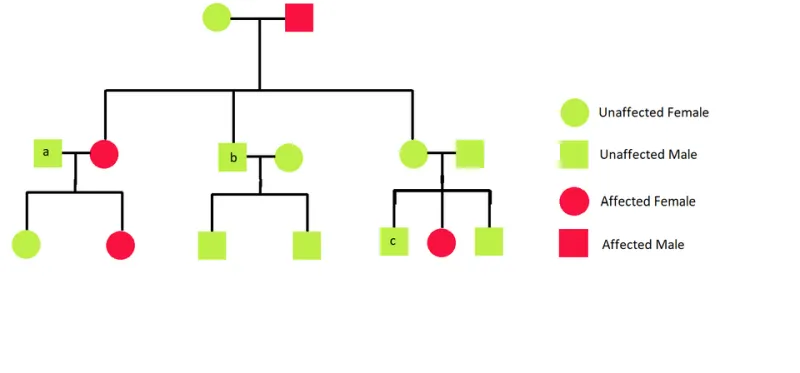
G6PD deficiency is an X-linked recessive genetic condition. The gene responsible for producing the G6PD enzyme is located on the X chromosome. Because males have one X chromosome and one Y chromosome, a single copy of the altered gene is sufficient to cause the condition. Because females have two X chromosomes, they typically need two altered copies to be fully affected—though female carriers can have varying levels of enzyme activity and may experience symptoms under certain circumstances.
This inheritance pattern has important implications for families. A father with G6PD deficiency will pass his X chromosome (carrying the altered gene) to all of his daughters, making them carriers. He will not pass it to his sons. A carrier mother has a 50 percent chance of passing the altered gene to each child, regardless of sex. Understanding this pattern helps families make informed decisions about testing and planning.
What Triggers a Hemolytic Episode?
For most people with G6PD deficiency, daily life is entirely normal—until a trigger is encountered. The most well-documented triggers include:
- Fava beans (broad beans): Perhaps the most widely recognized dietary trigger. The condition was historically called "favism" in parts of the Mediterranean because of the strong association between fava bean consumption and hemolytic crises.
- Certain medications: A range of drugs—including some antimalarials, antibiotics, and pain relievers—can precipitate hemolysis. Dapsone, primaquine, and rasburicase are among the most frequently cited high-risk medications. Patients should always inform healthcare providers of their diagnosis before starting any new medication.
- Infections and illness: Viral and bacterial infections are a significant and sometimes underappreciated trigger. The physiological stress of fighting an infection can itself induce oxidative stress sufficient to cause hemolysis.
- Naphthalene: Found in some mothballs, naphthalene exposure—particularly in infants—has been associated with hemolytic episodes.
- Henna: Certain henna products, particularly those used in traditional practices, have been linked to hemolysis in G6PD-deficient individuals.
Not every person with G6PD deficiency will react to every trigger. The severity of the condition varies based on the specific genetic variant a person carries, and there are dozens of known variants with differing levels of enzyme activity.
Why Advocacy and Education Matter
One of the most consistent challenges faced by G6PD patients in the United States is the gap between how common the condition is and how well it is understood within the broader healthcare system. Patients frequently report being prescribed medications without any prior G6PD screening, encountering providers unfamiliar with the condition, or struggling to access testing in the first place.
This is why patient education is not simply a supplement to medical care—it is a form of protection. Patients who understand their diagnosis, know their triggers, and can communicate clearly with healthcare providers are better positioned to prevent crises and advocate for appropriate treatment.
G6PD Awareness exists to support that process. This site offers in-depth resources on medication safety, dietary guidance, inheritance and family planning, newborn care, travel considerations, workplace rights, and more. Every article is written with the same goal: to translate complex medical information into knowledge that patients and caregivers can actually use.
Taking the Next Step
If you or someone you care for has recently been diagnosed with G6PD deficiency, the most important first steps are straightforward:
- Confirm the diagnosis with a quantitative G6PD enzyme activity test, if not already completed.
- Inform your healthcare providers—primary care physicians, specialists, pharmacists, and emergency contacts—of the diagnosis.
- Learn your triggers and take reasonable precautions in daily life.
- Connect with resources that can provide ongoing, reliable information.
G6PD deficiency is a manageable condition. With the right knowledge and a proactive approach to care, most people with the diagnosis live full, healthy lives. This site is here to help you build that foundation—one article, one question, one informed decision at a time.