Stock It Safe: A Room-by-Room Guide to Building a G6PD-Conscious Kitchen
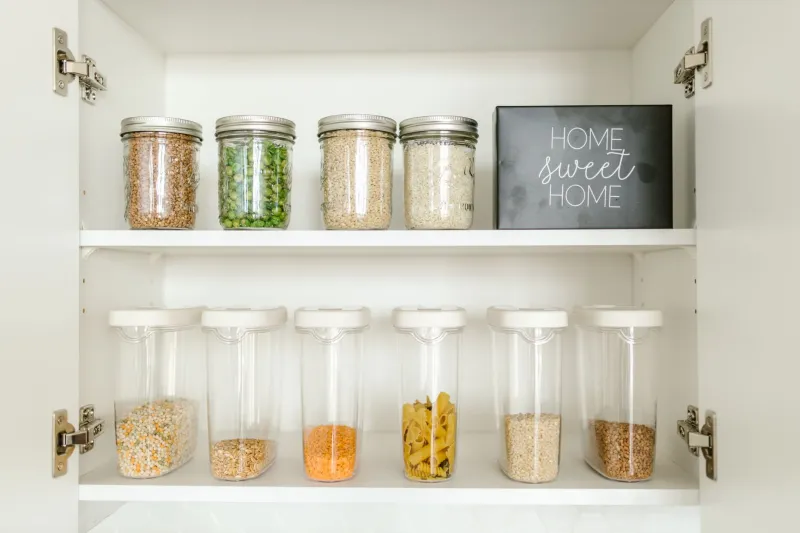
Most newly diagnosed patients learn quickly about fava beans. They learn about certain antimalarial drugs, about naphthalene mothballs, and perhaps about a handful of other obvious hazards. What the standard warnings rarely address, however, is the ordinary grocery store—the unremarkable Tuesday-afternoon shopping trip where oxidative risk can be hiding in a bottle of tonic water, a can of legume-based soup, or a jar of flavored vinegar.
Building a G6PD-safe kitchen is not about fear. It is about informed confidence. When patients understand which pantry staples deserve a second look—and why—they can shop, cook, and eat without the low-grade anxiety that often follows a new diagnosis. The following guide is designed to be practical, specific, and actionable, organized by the spaces where food is actually stored in a typical American home.
Understanding Oxidative Stress Before You Open a Single Cabinet
G6PD deficiency impairs the body's ability to protect red blood cells from oxidative damage. The enzyme glucose-6-phosphate dehydrogenase normally produces NADPH, a molecule that neutralizes harmful oxidants. When G6PD activity is reduced or absent, certain chemical exposures can overwhelm that protective system, triggering hemolysis—the premature destruction of red blood cells.
This means the kitchen risk is not simply about which foods are "poisonous." It is about cumulative oxidative load. A single ingredient that carries mild oxidative potential may pose little concern on its own. Combined with illness, physical stress, or simultaneous exposure to other triggers, that same ingredient can become a meaningful contributor to a crisis. Understanding this principle helps patients make nuanced, proportionate decisions rather than blanket prohibitions.
The Spice Rack: Small Jars, Underestimated Risks
The spice cabinet is among the most overlooked areas of concern for G6PD patients. Several commonly used spices contain compounds that can generate oxidative stress, particularly in individuals with Class I or Class II enzyme variants.
Fenugreek is perhaps the most clinically documented culprit. Widely used in South Asian, Middle Eastern, and North African cooking—and increasingly popular in the US as a supplement and flavoring—fenugreek contains divicine-related alkaloids associated with hemolytic episodes in G6PD-deficient individuals. Patients should check both spice jars and any packaged spice blends that may include it.
Tonic water and bitter lemon sodas belong in this conversation too, because they contain quinine—a substance with known hemolytic potential in G6PD-deficient populations. Quinine is not a spice, but it is frequently found on pantry shelves next to mixers and flavored sparkling waters. Read labels carefully.
Other spices worth discussing with your physician include large quantities of cumin seed extracts and certain herbal seasoning blends marketed as "detox" or "cleanse" formulas. The word "natural" on a spice label carries no safety guarantee for G6PD patients.
Practical checklist for the spice rack:
- Remove or clearly label any fenugreek-containing jars or blends
- Check ingredient lists on curry powder, ras el hanout, and spice kits
- Discard tonic water or quinine-containing beverages
- Treat "detox" spice blends with the same scrutiny as supplements
Canned and Packaged Goods: Reading Labels as a Safety Skill
American pantries typically contain dozens of canned and packaged items, and several categories deserve careful review.
Legume-containing products are the obvious starting point. Beyond canned fava beans—which should be entirely avoided—patients should inspect soups, stews, and grain bowls that may contain lupini beans, broad beans, or unlabeled bean medleys. The FDA does not require manufacturers to specify which variety of bean is present in a generic "beans" listing, so when in doubt, contact the manufacturer directly.
Vitamin C-fortified foods present a more nuanced picture. Ascorbic acid in moderate dietary quantities is generally not a trigger, but high-dose fortified products—certain juices, meal-replacement shakes, and fortified cereals marketed toward immune health—can contribute to oxidative load in sensitive individuals, particularly those with more severe enzyme deficiency. Patients with Class I variants should discuss this with their hematologist.
Artificial food dyes, particularly those containing naphthalene-derived compounds, appear in some processed foods and beverages. While the evidence base on food dyes and G6PD is less robust than for pharmaceutical dyes, cautious patients may choose to minimize artificially colored snack foods, especially for children.
Practical checklist for canned and packaged goods:
- Remove all fava bean, broad bean, and lupini bean products
- Flag soups and stews with unspecified "mixed bean" ingredients
- Evaluate high-dose vitamin C fortified products with your care team
- Reduce artificially dyed packaged snacks, particularly for pediatric patients
The Freezer: Convenience Foods and Hidden Ingredients
Frozen meals are a lifeline for busy households, but their ingredient lists often run long and dense. Frozen falafel, veggie burgers, and plant-based protein products frequently incorporate fava beans or other legumes of concern. The growing popularity of legume-based pasta, frozen grain bowls, and high-protein snack items means that G6PD patients must treat the freezer with the same label-reading discipline applied elsewhere.
Frozen herb blends—increasingly common in American grocery stores—may also include fenugreek leaves (methi), particularly in South Asian–inspired products. When purchasing frozen herbs, inspect the ingredient panel rather than relying on front-of-package descriptions.
Practical checklist for the freezer:
- Read full ingredient lists on all plant-based protein products
- Check frozen falafel, veggie patties, and grain bowls for fava or broad beans
- Inspect frozen herb blends for fenugreek (methi)
Condiments and Sauces: The Last Place Patients Look
Bottles and jars in the refrigerator door are rarely part of a G6PD safety conversation, yet they merit attention. Certain herbal vinegars and specialty hot sauces contain concentrated botanical extracts that may carry oxidative properties. Sauces imported from regions where fava beans are dietary staples—North Africa, the Middle East, parts of Europe—sometimes include bean-based thickeners.
Some artificial food colorings used in condiments, particularly certain yellow and red dyes, have raised questions in the research literature, though this area warrants further study. Until more definitive guidance is available, patients with severe enzyme deficiency may benefit from discussing condiment choices with their healthcare provider.
Grocery Shopping Without the Anxiety: A Sustainable Approach
The goal of a G6PD-safe kitchen is not to create an environment of constant vigilance that exhausts the patient and disrupts family life. It is to build a reliable baseline of knowledge that makes safe choices automatic over time.
Several practical strategies support this goal:
- Maintain a personal safe-food list based on your specific G6PD variant and enzyme activity level—risks are not identical across all patients.
- Use a label-reading habit, not a label-reading panic—give yourself two minutes per new product rather than avoiding unfamiliar foods entirely.
- Communicate with your care team when introducing new packaged products, especially supplements, fortified foods, or imported specialty items.
- Involve the whole household in kitchen safety—family members who understand the basics can help flag potential concerns before a product enters the pantry.
Knowledge, consistently applied, is what transforms a kitchen from a source of hidden risk into a genuine place of nourishment and safety. G6PD deficiency is a manageable condition, and the pantry is one of the most controllable environments in a patient's life. Stocking it thoughtfully is not a burden—it is an act of informed self-care.
This article is intended for educational purposes only and does not constitute medical advice. Patients should consult a qualified healthcare provider regarding their specific G6PD variant, enzyme activity level, and individual dietary needs.