G6PD Awareness Empowering Patients Through Knowledge

G6PD Awareness

Empowering Patients Through Knowledge

Latest Articles

When 'Natural' Becomes Dangerous: A G6PD Patient's Guide to Supplement Safety
Patient Safety & Medication Management

When 'Natural' Becomes Dangerous: A G6PD Patient's Guide to Supplement Safety

For people living with G6PD deficiency, the supplement aisle presents risks that are rarely labeled on the bottle. From herbal extracts to popular wellness formulas, many 'natural' products contain compounds capable of triggering a hemolytic crisis. This guide breaks down the most common offenders and explains why supplement-related triggers often go unrecognized until after a serious health event.

What Is G6PD Deficiency? A Plain-Language Starting Point for Newly Diagnosed Patients and Caregivers
Patient Advocacy & Cultural Trends

What Is G6PD Deficiency? A Plain-Language Starting Point for Newly Diagnosed Patients and Caregivers

A diagnosis of G6PD deficiency can feel overwhelming, especially when medical terminology and scattered information make it difficult to know where to begin. This foundational guide offers a clear, accessible overview of the condition, what it means for daily life, and how to take the first steps toward informed self-advocacy. Whether you are newly diagnosed or supporting a loved one, this is your starting point.

Cleared for Takeoff: A G6PD Patient's Practical Handbook for Safe, Confident Travel Anywhere in the World
Patient Safety & Medication Management

Cleared for Takeoff: A G6PD Patient's Practical Handbook for Safe, Confident Travel Anywhere in the World

Traveling with G6PD deficiency requires more than packing sunscreen and a passport. From antimalarial drug hazards to altitude physiology, food safety abroad, and building an emergency medical file, this guide gives G6PD patients the tools to explore the world without putting their health at risk.

Working With G6PD: How to Protect Your Health, Know Your Rights, and Advocate for Safe Conditions on the Job
Patient Advocacy & Cultural Trends

Working With G6PD: How to Protect Your Health, Know Your Rights, and Advocate for Safe Conditions on the Job

For individuals living with G6PD deficiency, the workplace can present hidden hazards that most employers have never considered. This guide walks G6PD patients through their legal protections under the Americans with Disabilities Act, practical strategies for disclosing their condition, and concrete steps for securing accommodations that prevent dangerous hemolytic episodes.

The G6PD Patient's Complete Guide to Legumes: Which Beans and Pulses Are Safe and Which to Avoid
Patient Safety & Medication Management

The G6PD Patient's Complete Guide to Legumes: Which Beans and Pulses Are Safe and Which to Avoid

Fava beans are widely known as a trigger for G6PD hemolytic crises, but many patients are unaware that other legumes may also pose risks or cause confusion. This detailed guide breaks down the safety profile of common legumes for individuals living with G6PD deficiency in the United States.

Drug by Drug: A Detailed Safety Reference for G6PD Patients Navigating Medication Risks
Patient Safety & Medication Management

Drug by Drug: A Detailed Safety Reference for G6PD Patients Navigating Medication Risks

Not all medications carry the same level of risk for individuals with G6PD deficiency, and the difference between a safe drug and a dangerous one can be life-altering. This detailed reference guide examines specific drug categories and individual medications to help G6PD patients and their healthcare providers make safer, more informed treatment decisions.

Misread Minds: When G6PD Deficiency Hides Behind Behavioral and Neurodevelopmental Diagnoses in Children
Patient Advocacy & Cultural Trends

Misread Minds: When G6PD Deficiency Hides Behind Behavioral and Neurodevelopmental Diagnoses in Children

Thousands of children in the United States are living with undiagnosed G6PD deficiency while carrying labels like ADHD, autism spectrum disorder, or anxiety. The metabolic symptoms of hemolytic episodes—cognitive fog, extreme fatigue, and irritability—can be indistinguishable from behavioral conditions to clinicians who are not looking for a biochemical cause. This article examines how families and providers can break the diagnostic cycle before years are lost.

It Runs in the Family: A Practical Guide to G6PD Inheritance, Carrier Status, and Protecting the People You Love
Patient Advocacy & Cultural Trends

It Runs in the Family: A Practical Guide to G6PD Inheritance, Carrier Status, and Protecting the People You Love

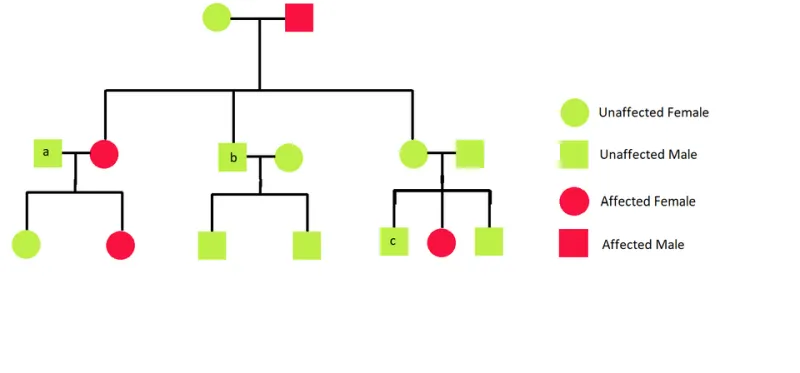
Understanding how G6PD deficiency moves through a family tree is one of the most powerful steps a patient can take toward protecting their loved ones. This guide breaks down X-linked recessive inheritance in plain language, explains what carrier status really means for women, and offers concrete strategies for initiating family screening conversations in the US healthcare system.

Before the First Heartbeat: A G6PD-Positive Woman's Guide to Pregnancy Planning and Newborn Care
Patient Advocacy & Cultural Trends

Before the First Heartbeat: A G6PD-Positive Woman's Guide to Pregnancy Planning and Newborn Care

For women living with G6PD deficiency, the journey toward motherhood carries a unique set of medical considerations that most obstetric providers are not fully equipped to address. From preconception counseling to newborn screening protocols, understanding how this enzyme disorder intersects with reproductive health is essential. This guide brings together clinical insight and patient experience to help G6PD-positive women advocate for themselves and their babies at every stage.

Screened or Overlooked? The Uneven State of G6PD Testing in America and How to Fight for Your Right to Know
Patient Advocacy & Cultural Trends

Screened or Overlooked? The Uneven State of G6PD Testing in America and How to Fight for Your Right to Know

Millions of Americans carry a G6PD deficiency without ever receiving a diagnosis, largely because screening protocols remain fragmented and inconsistent across state lines and healthcare systems. Racial and ethnic disparities, insurance barriers, and a patchwork of newborn screening programs mean that many at-risk individuals fall through the cracks. This article examines why the testing gap persists and provides concrete steps patients can take to demand appropriate screening.

The Long Road to Answers: How G6PD Patients Turned Diagnostic Frustration Into Self-Advocacy and Strength
Patient Safety & Medication Management

The Long Road to Answers: How G6PD Patients Turned Diagnostic Frustration Into Self-Advocacy and Strength

For many Americans living with G6PD deficiency, the path to diagnosis was anything but straightforward—marked by emergency room visits, dismissed symptoms, and years of uncertainty. Through the experiences of real patients, this feature illuminates the patterns that delay diagnosis and the transformative power of self-advocacy, offering both validation and practical guidance for those still searching for answers.

More Than a Bean: The Unexpected Everyday Triggers That Can Spark a G6PD Hemolytic Crisis
Patient Safety & Medication Management

More Than a Bean: The Unexpected Everyday Triggers That Can Spark a G6PD Hemolytic Crisis

Fava beans are the trigger most commonly associated with G6PD deficiency, but they represent only one entry in a much longer list of potential hazards. From common over-the-counter supplements and food dyes to workplace chemical exposures and viral infections, the landscape of G6PD triggers is broader—and more surprising—than most patients realize. This reference guide examines lesser-known culprits in detail, explaining the mechanisms behind each and offering practical steps to minimize risk in

Waiting Too Long: How Systemic Gaps Delay G6PD Diagnosis and What Patients Can Do Right Now
Patient Advocacy & Cultural Trends

Waiting Too Long: How Systemic Gaps Delay G6PD Diagnosis and What Patients Can Do Right Now

For many Americans living with G6PD deficiency, the path to an accurate diagnosis is neither swift nor straightforward. Fragmented screening protocols, limited provider education, and inequitable access to genetic testing conspire to leave patients—disproportionately those from communities of color—without answers for years. This investigation examines the structural barriers driving those delays and equips patients with actionable tools to advocate for faster, more accurate care.

Navigating the Drug Danger Zone: What Every G6PD Patient Must Know Before Taking Any Medication
Patient Safety & Medication Management

Navigating the Drug Danger Zone: What Every G6PD Patient Must Know Before Taking Any Medication

For individuals living with G6PD deficiency, a routine trip to the pharmacy can carry serious health risks that most people never have to consider. Understanding which medications trigger hemolytic crises — and how to communicate your condition clearly to every member of your care team — can be the difference between a safe recovery and a medical emergency. This comprehensive guide arms G6PD patients with the knowledge and practical tools to navigate prescriptions and over-the-counter drugs with

Hashtags, Hematology, and Health Equity: How a New Generation Is Rewriting the G6PD Story
Patient Advocacy & Cultural Trends

Hashtags, Hematology, and Health Equity: How a New Generation Is Rewriting the G6PD Story

Younger Americans living with G6PD deficiency are refusing to remain passive recipients of care — and the tools they are using to take charge are as varied as they are powerful. From TikTok health threads to direct-to-consumer genetic testing, Gen Z and Millennials are building a new model of rare disease literacy that is reshaping how G6PD deficiency is understood, discussed, and managed across the country. This is not just a generational shift in attitude — it is a structural transformation in