The Paperwork That Protects: Getting Your G6PD Child's School on the Same Page
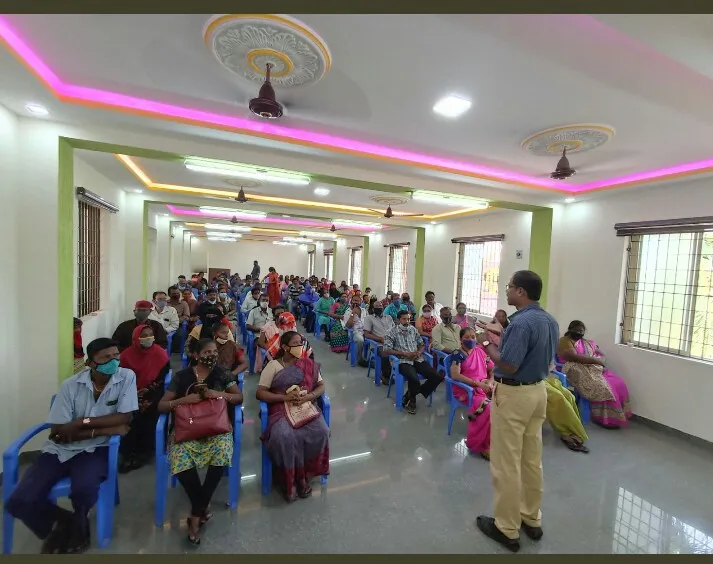
Photo: Muthumohan1979, CC BY-SA 4.0, via Wikimedia Commons
You can control your kitchen. You can vet your babysitter. But for roughly seven hours a day, your G6PD-positive child is in a building where you set none of the rules — a place stocked with art supplies, industrial cleaning chemicals, cafeteria food, and a nurse who may see hundreds of students in a week.
For parents of children with G6PD deficiency, the American school system offers real tools to close that gap. The problem is that most families have never heard of them, and most schools have never had to think about G6PD at all.
Know Your Legal Instruments
Two frameworks matter most for US families.
Section 504 Plan. Under the Rehabilitation Act of 1973, a 504 plan is available to students whose condition substantially limits a major life activity. For G6PD, the relevant activities include eating, breathing (in the context of chemical exposure), and caring for oneself. A 504 plan is flexible, doesn't require special education classification, and can formalize accommodations like food substitutions, chemical exposure limits, and sick-day protocols.
Individualized Health Plan (IHP). Developed by the school nurse in collaboration with the family and, ideally, the child's physician, an IHP spells out exactly what should happen in specific scenarios: a fever, suspected exposure, symptoms of hemolysis. An IHP is a clinical document rather than a legal accommodation, but the two work best in tandem — the 504 establishes rights, the IHP establishes procedures.
Start the process in writing, addressed to the school principal and district health services office, and request an evaluation. Put everything in writing from day one; verbal agreements have a way of evaporating when staff turn over.
The Hazards Hiding in Plain Sight
Parents often focus exclusively on food, but classrooms carry their own risk profile:
Art and science supplies. Certain materials — including some dyes, older formulations of supplies containing naphthalene or related compounds, and strong oxidizing chemicals used in chemistry demonstrations — warrant scrutiny. Ask for the safety data sheet (SDS) of products your child will regularly handle.
Cleaning and maintenance chemicals. Custodial products, air fresheners, and pest-control treatments can include oxidative agents. A 504 plan can require advance notification of deep cleaning or pesticide application in your child's classroom.
Mothballs and stored materials. Naphthalene mothballs in costume closets, supply cabinets, or donated clothing bins are a genuine and frequently overlooked risk.
Food service. While broad bean dishes are rare in most American cafeterias, legume-based dishes, falafel, and international menu items can appear without warning. Cafeteria staff need to know what to flag.
Infections. A routine virus is a leading trigger of hemolysis in children. Your child's plan should define when a fever or illness warrants a call home rather than a wait-and-see approach in the classroom.
A Template Letter to Open the Conversation
Adapt the following for your district:
Dear [Principal/School Nurse],
My child, [Name], in [grade] at [school], has G6PD deficiency, a genetic condition affecting red blood cells. Exposure to certain foods, medications, and chemicals can trigger acute hemolysis — the rapid breakdown of red blood cells — which can require emergency care.
I am requesting a meeting to develop a Section 504 plan and an individualized health plan. Specifically, I would like to discuss: (1) notification and substitution procedures for cafeteria meals containing fava beans or high-risk legumes; (2) advance notice of pesticide application or use of specific cleaning agents in my child's classroom; (3) a sick-day protocol requiring parent notification for fever or unexplained fatigue or pallor; and (4) training for staff on my child's condition.
I have attached a physician letter and a one-page medical summary. I am available [days/times] and look forward to partnering with the school.
Sincerely,
Educate the Humans, Not Just the File
Documents don't respond to emergencies — people do. The most effective parents treat staff education as relationship-building, not compliance:
- Give the school nurse a one-page summary: what G6PD is, the child's specific triggers, the danger signs (dark urine, pallor, jaundice, sudden fatigue), and your contact tree.
- Provide the teacher with a short, friendly note and a small supply of physician-approved context — enough to act, not so much it gets ignored.
- For the cafeteria, offer a laminated card listing the specific ingredients to flag.
- Refresh everything annually. Staff turn over; your child's file does not follow them automatically.
The Payoff
A well-constructed school plan does more than prevent a crisis. It gives your child a framework for understanding and eventually managing their own condition — and it builds a generation of educators who will recognize the next G6PD student who comes along. In a condition that affects millions of Americans yet remains poorly understood, that's advocacy with a compounding return.