The G6PD Patient's Complete Guide to Legumes: Which Beans and Pulses Are Safe and Which to Avoid
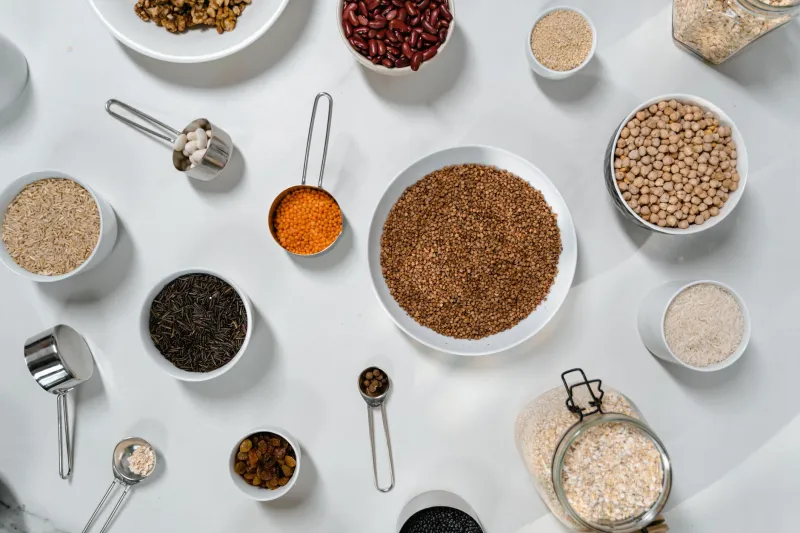
For individuals living with G6PD (glucose-6-phosphate dehydrogenase) deficiency, diet is not merely a matter of nutrition — it can be a matter of safety. The connection between fava beans and G6PD hemolytic crises is well established in medical literature and is often the first dietary warning patients receive after diagnosis. However, the conversation rarely goes further than that single food item, leaving patients with unanswered questions about the broader world of legumes on their grocery store shelves.
This guide is designed to give G6PD patients, caregivers, and family members in the United States a thorough, practical understanding of legumes — what they are, which ones are dangerous, which ones are generally considered safe, and how to navigate everyday eating with confidence.
Understanding Why Fava Beans Are Dangerous for G6PD Patients
Fava beans (Vicia faba), also called broad beans, contain two naturally occurring compounds — vicine and convicine — that generate oxidative stress within red blood cells. In individuals with normal G6PD enzyme activity, the body neutralizes this oxidative damage efficiently. In G6PD-deficient individuals, however, the enzyme responsible for protecting red blood cells from oxidative harm is absent or significantly reduced. The result can be acute hemolytic anemia, a condition in which red blood cells are destroyed faster than the body can replace them.
Symptoms of a hemolytic crisis triggered by fava bean consumption can include jaundice, dark or tea-colored urine, fatigue, shortness of breath, rapid heart rate, and in severe cases, kidney failure or the need for blood transfusion. Even small quantities of fava beans — or foods prepared with fava bean flour — can trigger a crisis in highly sensitive individuals.
The Broader Legume Family: A Closer Look
Legumes are a large plant family that includes beans, lentils, peas, peanuts, and soybeans. While fava beans are the most documented danger for G6PD patients, it is important to examine each category carefully.
Fava Beans — Avoid
This is the one legume that every G6PD patient must categorically avoid. Fava beans appear in many forms across American grocery stores and ethnic food markets, including fresh pods, dried beans, canned beans, and as an ingredient in certain Middle Eastern dips such as ful medames. Patients should also scrutinize ingredient labels on packaged foods for terms like "broad beans," "horse beans," or "fava bean flour."
Peanuts — Generally Considered Safe
Despite being classified botanically as a legume, peanuts do not contain vicine or convicine and are not documented triggers of G6PD hemolytic crises. Most clinical guidance does not restrict peanut consumption for G6PD patients. However, individuals with G6PD deficiency who also have peanut allergies face separate, unrelated health concerns.
Soybeans and Soy Products — Generally Considered Safe
Soybeans and their derivatives — including tofu, edamame, soy milk, and soy sauce — are not considered G6PD triggers. Soy is a dietary staple for many Americans and is widely used as a plant-based protein source. Current evidence does not support restricting soy intake for G6PD patients.
Lentils — Generally Considered Safe
Lentils are a nutrient-dense food and are not associated with G6PD hemolytic crises. Red, green, and brown lentils are all considered safe for most G6PD patients. Lentil-based soups and dishes are commonly consumed across many of the cultural communities disproportionately affected by G6PD deficiency, making this a particularly important clarification.
Chickpeas (Garbanzo Beans) — Generally Considered Safe
Chickpeas are not documented G6PD triggers and are widely consumed safely by G6PD patients. Hummus, made from chickpeas, is a common food in the United States and is generally considered safe. Patients should verify that store-bought hummus does not contain any fava bean-derived ingredients, as some traditional recipes blend the two.
Black Beans, Kidney Beans, Pinto Beans, and Navy Beans — Generally Considered Safe
The common beans widely available in American supermarkets — black beans, kidney beans, pinto beans, navy beans, and cannellini beans — are not associated with G6PD-related hemolysis. These are staple foods in many American households and are not restricted in standard G6PD dietary guidance.
Green Peas and Snow Peas — Generally Considered Safe
Green peas and their variants are not documented G6PD triggers. They are a common vegetable in the American diet and can be consumed freely by G6PD patients.
Hidden Sources of Fava Beans to Watch For
One of the more underappreciated risks for G6PD patients is the presence of fava beans in unexpected food products. As plant-based eating has grown in popularity across the United States, fava bean flour and fava bean protein have become increasingly common ingredients in alternative meat products, protein powders, gluten-free baked goods, and specialty pasta. Patients are strongly encouraged to read ingredient labels carefully, even on products that do not advertise legume content.
Common label terms to watch for include:
- Fava bean flour
- Broad bean protein
- Fava protein isolate
- Vicia faba extract
Talking to Your Healthcare Provider
While this guide reflects current general knowledge about G6PD and dietary legumes, individual patients may have varying enzyme activity levels and differing degrees of sensitivity. Patients with severe G6PD deficiency variants — such as Class I deficiency — may need to exercise greater caution than those with milder forms of the condition.
Always discuss your specific dietary needs with a physician or registered dietitian familiar with G6PD deficiency. If you are unsure whether a food product is safe, contacting a G6PD-knowledgeable healthcare provider before consumption is the safest course of action.
Empowering Yourself Through Dietary Knowledge
Living with G6PD deficiency requires a level of dietary vigilance that most people never have to consider. However, with accurate information, patients can make confident food choices without unnecessary restriction. The goal of dietary management in G6PD deficiency is not to eliminate entire food groups — it is to make informed, targeted decisions that protect your red blood cells while still allowing you to enjoy a varied, nutritious diet.
Knowing the difference between fava beans and the dozens of other legumes available to you is a foundational piece of that knowledge. Use this guide as a starting point, share it with family members who cook for you, and bring it to your next medical appointment as a conversation starter.