Cleared for Takeoff: A G6PD Patient's Practical Handbook for Safe, Confident Travel Anywhere in the World

For many people living with glucose-6-phosphate dehydrogenase (G6PD) deficiency, the prospect of international travel can feel more daunting than exciting. Unfamiliar food systems, limited access to safe medications, and the logistical challenge of communicating a rare enzyme disorder across language barriers present real concerns. Yet avoidance is rarely the right answer. With deliberate preparation and a clear understanding of condition-specific risks, G6PD patients can — and do — travel safely throughout the United States and abroad.
This guide is designed to serve as a practical, condition-specific travel framework. Whether you are planning a weekend road trip through the American Southwest or a multi-week journey through Southeast Asia, the principles here apply.
Understanding What Makes Travel Uniquely Risky for G6PD Patients
G6PD deficiency impairs the body's ability to protect red blood cells from oxidative stress. Under normal conditions, many patients experience no symptoms at all. The danger lies in exposure to specific triggers — certain medications, foods, infections, and environmental conditions — that overwhelm the body's reduced antioxidant capacity and provoke hemolytic anemia, a rapid breakdown of red blood cells that can become a medical emergency.
Travel introduces multiple triggers simultaneously. A patient may encounter unfamiliar foods, be prescribed a problematic antimalarial drug by a travel clinic unfamiliar with G6PD, develop an infection far from home, or face altitude-related physiological stress — all within the same journey. Understanding this layered risk is the first step toward managing it effectively.
Before You Book: The Pre-Travel Medical Consultation
Every G6PD patient planning travel, particularly international travel, should schedule a dedicated consultation with their primary care physician or a hematologist before departure. This appointment serves several purposes.
First, it provides an opportunity to review your current enzyme activity level and overall health status. Patients with more severe variants of G6PD deficiency face higher risk thresholds than those with milder forms.
Second, it allows you to discuss destination-specific risks with a provider who can document your condition formally. Request a signed letter on clinic letterhead that clearly states your diagnosis, your G6PD variant if known, and a list of medications that must be avoided. This document should be written in plain language and, ideally, translated into the primary language of each country you plan to visit. Translation services are widely available through academic medical centers, and some patient advocacy organizations offer templates designed for this purpose.
Third, if your destination requires or recommends malaria prophylaxis, your provider must be explicitly informed of your G6PD status before any prescription is issued. This point cannot be overstated.
The Antimalarial Problem: A Critical Safety Issue
Malaria prevention is one of the most significant medication-related risks G6PD patients face when traveling to endemic regions — including parts of sub-Saharan Africa, South and Southeast Asia, Central America, and the Caribbean.
Primaquine and tafenoquine, two antimalarials commonly used for radical cure of Plasmodium vivax malaria and for malaria prevention, are known to cause severe hemolysis in G6PD-deficient individuals. Tafenoquine, in particular, carries a black box warning from the U.S. Food and Drug Administration specifically noting that G6PD testing is required before it is prescribed.
Safer alternatives exist. Atovaquone-proguanil (sold under the brand name Malarone) and doxycycline are generally considered acceptable for G6PD patients, though individual circumstances vary. Chloroquine is used in some regions but is ineffective against resistant strains and should only be considered under medical guidance.
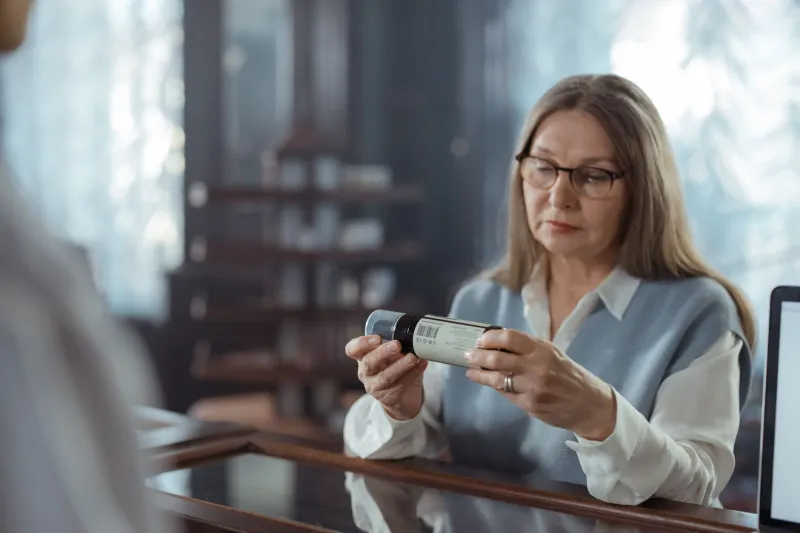
If you visit a travel medicine clinic in the United States before departure, inform the clinician of your G6PD status at the very start of the appointment — before any prescriptions are discussed. Carry your medical documentation with you. Do not assume that a travel clinic physician will automatically know to screen for G6PD before recommending antimalarials.
If you are already abroad and need malaria treatment or prophylaxis, the same precautions apply. Seek care at a reputable hospital or clinic, present your medical letter, and decline any medication until you have confirmed it is safe for G6PD patients.
Food Safety Across Borders
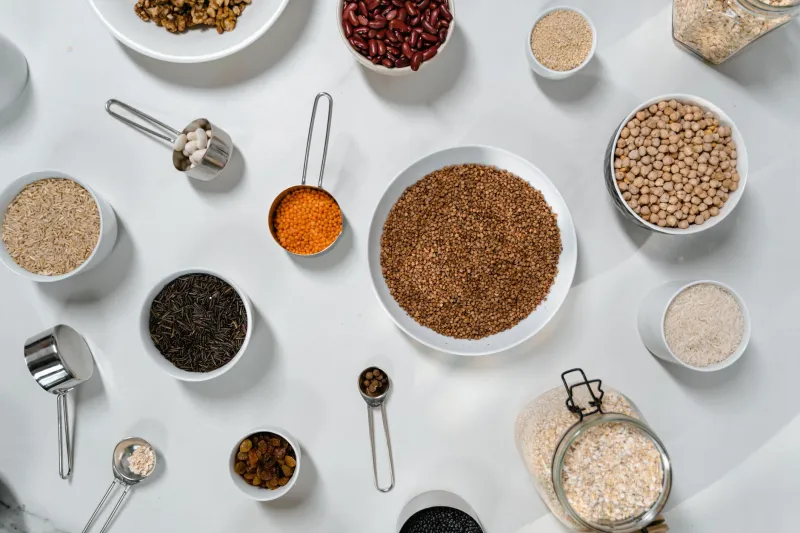
Fava beans remain the most widely recognized dietary trigger for G6PD hemolysis. They appear in numerous cuisines — Middle Eastern ful medames, Italian antipasto dishes, Egyptian street food, and various North African preparations — often without obvious labeling. Patients traveling to regions where fava beans are dietary staples should exercise consistent caution and develop the habit of asking about ingredients before eating.
Beyond fava beans, other potential dietary concerns include certain herbal teas and traditional remedies that may contain oxidative compounds. In some countries, herbal supplements are offered freely in markets or served in restaurants without disclosure. When in doubt, avoid unfamiliar herbal preparations and consult your medical documentation before accepting locally recommended remedies.
Food safety in the broader sense — avoiding gastrointestinal illness — is also relevant, because infections of any kind can trigger hemolysis in G6PD-deficient individuals. Standard travel hygiene practices (drinking bottled or purified water, avoiding raw or undercooked foods in high-risk regions, and practicing thorough handwashing) serve a dual purpose for G6PD patients: preventing infection and thereby reducing oxidative stress on red blood cells.
Altitude and Physical Stress Considerations
High-altitude travel introduces physiological demands that may be of particular relevance to G6PD patients. At elevations above 8,000 feet — common in destinations such as the Rocky Mountains, the Andes, the Himalayas, or East African highlands — reduced oxygen availability places additional strain on red blood cells. For patients with pre-existing hemolytic tendencies, this added stress warrants consideration.
This does not mean high-altitude destinations are categorically off-limits. However, patients should ascend gradually when possible, remain well-hydrated, avoid strenuous overexertion in the first days at altitude, and monitor for symptoms including unusual fatigue, pallor, shortness of breath beyond what altitude alone would explain, or dark-colored urine — all of which may signal early hemolysis.
Building Your Emergency Medical File
A well-constructed emergency medical file is one of the most valuable tools a G6PD patient can carry. This file should include:
- A physician-signed diagnostic letter stating your G6PD deficiency diagnosis, variant, and enzyme activity level if available
- A medication contraindication list specifying drugs to avoid, written in both English and the language(s) of your destination countries
- Your current medication list, including dosages
- Emergency contact information for your U.S.-based physician
- A list of safe antimalarial alternatives, if applicable to your itinerary
- Your health insurance information, including any international coverage or travel insurance policy details
Store physical copies in your carry-on luggage and a digital copy in a secure, accessible location such as a password-protected cloud service or a health management app. The U.S. Department of State's Smart Traveler Enrollment Program (STEP) is also worth registering with before international departure, as it connects American travelers with embassy resources in emergencies.
Locating Medical Care Abroad
Before departure, research the healthcare infrastructure at your destination. The International Association for Medical Assistance to Travellers (IAMAT) maintains a directory of English-speaking physicians in countries worldwide, which can be invaluable in an emergency. Major urban centers in most countries will have hospitals equipped to manage hemolytic anemia, though availability varies significantly in rural or remote areas.
If you suspect a hemolytic crisis while abroad — characterized by sudden fatigue, jaundice, dark or tea-colored urine, rapid heart rate, or significant pallor — seek emergency medical care immediately. Hemolytic anemia can progress rapidly and may require intravenous fluids, close monitoring, and in severe cases, blood transfusion.
Travel as Empowerment, Not Risk
G6PD deficiency is a manageable condition. Patients who invest time in pre-travel preparation consistently report that the process of building a travel safety plan also deepens their overall understanding of their condition — making them more effective advocates for their own health in every setting, not just abroad.
The world is accessible to G6PD patients who travel informed. Preparation is not a barrier to adventure; it is the foundation of it.