Sick and at Risk: How Everyday Infections Trigger Hemolytic Crises in G6PD Patients
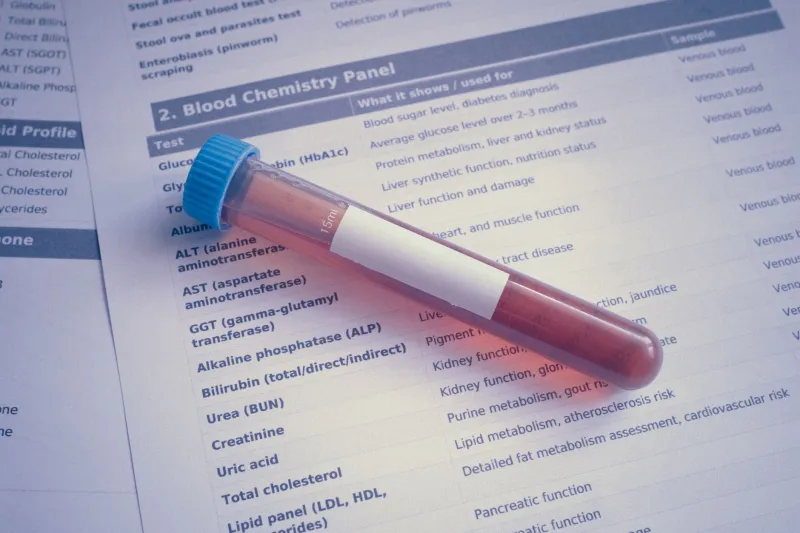
For most Americans, coming down with a stomach bug or a respiratory infection means a few uncomfortable days, some rest, and a gradual return to normal. For a person living with glucose-6-phosphate dehydrogenase (G6PD) deficiency, however, the same ordinary illness can set off a cascade of events that ends in an emergency room. Understanding why this happens — and preparing for it before illness arrives — is one of the most important steps a G6PD patient can take to protect their health.
Why Infections Are More Than Just an Inconvenience
G6PD is an enzyme that plays a foundational role in protecting red blood cells from oxidative damage. Under normal circumstances, the body constantly produces low-level oxidants as a byproduct of metabolism. G6PD neutralizes these oxidants by generating a molecule called NADPH, which in turn maintains glutathione — a critical antioxidant shield — in its active form inside red blood cells.
When G6PD levels are deficient, this protective system is compromised from the outset. Red blood cells are already operating with reduced capacity to handle oxidative stress. Then an infection arrives.
Bacterial and viral infections trigger an immune response that, while necessary for fighting pathogens, produces a significant surge in oxidative compounds. White blood cells generate reactive oxygen species as weapons against invading microorganisms — a process called the oxidative burst. In a person with normal G6PD levels, red blood cells can weather this surge. In someone with G6PD deficiency, the same immune response can overwhelm the already-strained antioxidant system, causing red blood cell membranes to become rigid and fragile. The result is hemolysis: the premature destruction of red blood cells at a rate the bone marrow cannot replace quickly enough.
This is not a rare or theoretical risk. Infection is, in fact, one of the most common triggers of hemolytic episodes in G6PD-deficient individuals, and it can occur even in the absence of any medication exposure.
Which Infections Carry the Greatest Risk?
Not all infections carry equal danger for G6PD patients, though any significant illness deserves careful monitoring. Certain conditions have been more consistently associated with hemolytic episodes in the medical literature.
Bacterial infections — particularly those caused by organisms such as Escherichia coli, Salmonella typhi (typhoid fever), and certain streptococcal species — have well-documented associations with hemolysis in G6PD-deficient patients. Urinary tract infections, while often dismissed as minor, can provoke a meaningful oxidative response, especially if they progress or go untreated.
Viral infections represent an equally significant concern. Influenza, infectious mononucleosis (caused by Epstein-Barr virus), viral hepatitis, and COVID-19 have all been reported in association with hemolytic episodes in G6PD patients. During the COVID-19 pandemic, several clinical reports documented accelerated hemolysis in G6PD-deficient individuals, adding urgency to what the G6PD community had long understood about viral illness.
Sepsis — a severe, systemic infection — carries particularly high risk. The inflammatory response during sepsis is intense and sustained, creating an oxidative environment that can devastate red blood cells in a person with limited G6PD activity.
Even common childhood illnesses, including respiratory syncytial virus (RSV) and rotavirus, can be triggers, which is why G6PD awareness is especially important for parents of affected children.
Recognizing the Warning Signs During Illness
One of the greatest challenges G6PD patients face during an infection is distinguishing normal illness symptoms from early signs of hemolysis. Both conditions can produce fatigue and general malaise, making it easy to attribute concerning developments to the underlying infection itself.
Signs that may indicate hemolysis is occurring during an illness include:
- Darkened urine — ranging from tea-colored to dark brown or red. This reflects the presence of hemoglobin being filtered through the kidneys and is one of the most reliable early warning signs.
- Pronounced pallor — particularly noticeable in the face, lips, or inner eyelids (conjunctiva), reflecting a drop in red blood cell count.
- Jaundice — a yellowing of the skin or the whites of the eyes, caused by elevated bilirubin released during red blood cell breakdown.
- Rapid heart rate and shortness of breath — the heart and lungs work harder to compensate for reduced oxygen-carrying capacity as hemoglobin levels fall.
- Sudden, severe fatigue — disproportionate to what the infection alone would typically produce.
- Dizziness or lightheadedness, especially when standing.
- Abdominal or back pain, which can accompany significant hemolysis.
Any combination of these symptoms during or shortly after an illness should prompt immediate contact with a healthcare provider. Darkened urine in particular warrants urgent evaluation.
Communicating With Your Healthcare Team During Illness
Many emergency and urgent care providers across the United States have limited familiarity with G6PD deficiency. This is not a criticism — it reflects the reality that G6PD, despite affecting an estimated 400 million people worldwide, remains underrecognized in clinical training. As a result, G6PD patients must often serve as their own advocates during acute illness.
When seeking medical care during an illness, patients should clearly communicate:
- Their G6PD status and the fact that infections can trigger hemolytic episodes.
- The specific symptoms they are experiencing, with particular emphasis on urine color changes, jaundice, or unusual fatigue.
- Their medication history — including any over-the-counter drugs, supplements, or herbal products taken since the illness began. Some common medications used to treat infections or manage symptoms carry oxidative risk for G6PD patients.
- A request for baseline labs, including a complete blood count (CBC) and bilirubin level, to establish whether hemolysis is occurring.
Carrying a written summary of G6PD deficiency, its hemolytic triggers, and a list of contraindicated medications can be invaluable in an urgent care or emergency setting, where providers may not have time for extended research.
Building Your Infection-Response Action Plan
Preparation before illness strikes is far more effective than improvising during a crisis. G6PD patients — and parents of affected children — benefit significantly from having a written action plan in place. Consider developing this plan in collaboration with a knowledgeable primary care physician or hematologist, and keep a copy accessible at home and on your phone.
A practical action plan should include:
- A list of safe and unsafe medications for managing common illness symptoms (fever, pain, congestion). Acetaminophen is generally considered safer than aspirin or ibuprofen for G6PD patients, though individual cases vary and provider guidance is essential.
- Clear thresholds for seeking care — for example, seeking evaluation immediately if urine darkens, jaundice appears, or fatigue becomes severe.
- Contact information for a provider familiar with G6PD, including after-hours options.
- A brief medical summary card that can be handed to emergency providers.
- Hydration guidance — adequate fluid intake supports kidney function during hemolytic episodes and is an important supportive measure.
For parents, sharing the action plan with school nurses, pediatricians, and other caregivers ensures that the child's vulnerability is understood across all settings.
Staying Ahead of Preventable Risk
Prevention, where possible, remains the most powerful strategy. Staying current on recommended vaccinations — including annual influenza vaccines and any applicable COVID-19 boosters — reduces the likelihood of encountering the infections most associated with hemolytic risk. Good hand hygiene and standard infection-prevention practices are not merely general health advice for G6PD patients; they are a meaningful component of disease management.
Living with G6PD deficiency does not mean living in fear of every sniffle. It does mean approaching illness with informed caution, recognizing that the body's response to infection carries risks that require a different level of vigilance. With knowledge, preparation, and a trusted healthcare team, G6PD patients can navigate illness safely — and respond effectively when the body sends warning signals that something more serious may be unfolding.