When 'Natural' Becomes Dangerous: A G6PD Patient's Guide to Supplement Safety
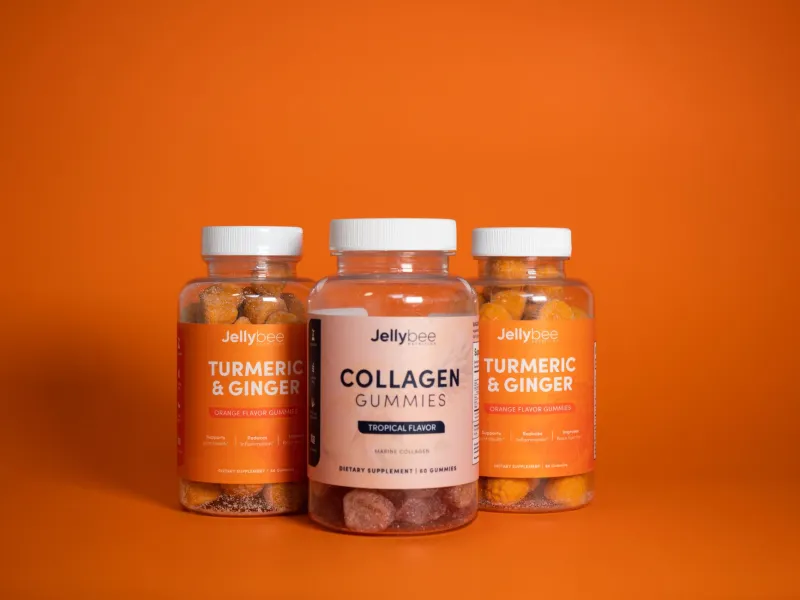
There is a pervasive assumption in American wellness culture that natural products are inherently safe. Walk into any pharmacy, health food store, or big-box retailer, and you will find shelves lined with herbal capsules, botanical tinctures, and vitamin blends marketed as gentle, wholesome alternatives to pharmaceutical drugs. For most people, these products carry minimal risk. For individuals with glucose-6-phosphate dehydrogenase (G6PD) deficiency, however, the supplement aisle can be one of the most underestimated danger zones they encounter.
This is not a fringe concern. Supplement-related hemolytic crises represent a distinct and frequently underreported category of G6PD triggers — one that patients often discover only after an unexpected and frightening health event. Understanding why these products pose a threat, and knowing which ones to scrutinize, is an essential part of living safely with this condition.
Why Supplements Fly Under the Radar
Medications prescribed by physicians are generally the first category of G6PD triggers that newly diagnosed patients learn about. Antimalarials, certain antibiotics, and specific pain relievers receive appropriate attention during clinical counseling. Fava beans, a well-known dietary trigger, are also commonly discussed.
Supplements, by contrast, occupy a regulatory gray area in the United States. The Food and Drug Administration (FDA) does not evaluate dietary supplements for safety or efficacy before they reach store shelves. Manufacturers are not required to prove that their products are safe for individuals with genetic conditions such as G6PD deficiency. As a result, warning labels specifically addressing G6PD are essentially nonexistent in this product category.
For patients, this creates a troubling information gap. A person who carefully avoids fava beans and has reviewed their prescription medications may still feel confident reaching for an herbal supplement — not realizing that the same biochemical mechanisms that make fava beans dangerous apply to a range of plant-derived compounds.
The Oxidative Stress Connection
To understand why certain supplements are harmful, it helps to revisit the underlying biology. G6PD is an enzyme that plays a critical role in protecting red blood cells from oxidative damage. When the enzyme is deficient or absent, red blood cells become vulnerable to oxidative stress — a condition in which unstable molecules damage cellular structures. If oxidative stress becomes severe enough, red blood cells rupture in a process called hemolysis, leading to hemolytic anemia.
Many plant-based compounds are potent pro-oxidants. In individuals with normal G6PD activity, these compounds are neutralized without incident. In G6PD-deficient individuals, the same compounds can overwhelm already-compromised red blood cell defenses and precipitate a crisis.
High-Risk Supplements: A Reference Guide
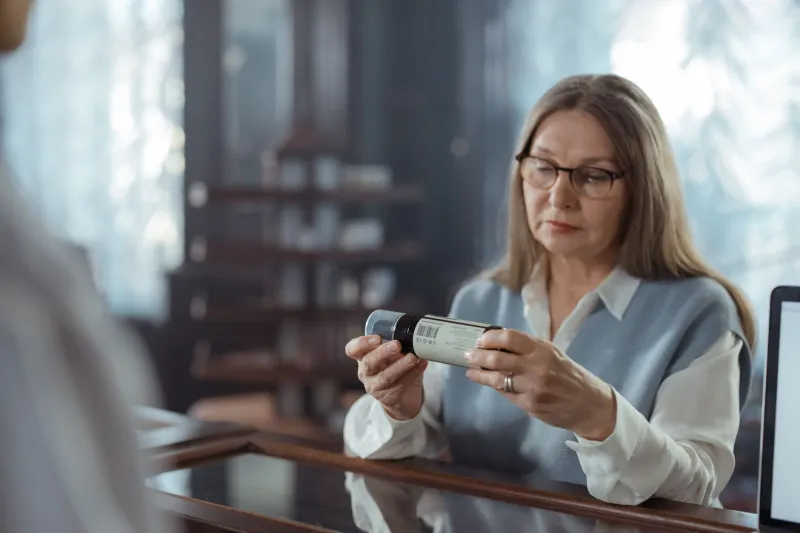
The following categories represent the most clinically significant supplement-related risks for G6PD patients. This list is not exhaustive, and patients are strongly encouraged to consult a knowledgeable physician or pharmacist before beginning any new supplement regimen.
Fava Bean and Broad Bean Extracts While most G6PD patients know to avoid eating fava beans, many are unaware that fava bean extracts appear in certain protein powders, herbal blends, and specialty supplements marketed for athletic performance or digestive health. The toxic compounds — vicine and convicine — are present in concentrated form in these extracts, potentially making them more dangerous than consuming the whole bean.
St. John's Wort (Hypericum perforatum) One of the most widely used herbal supplements in the United States, St. John's Wort is commonly taken for mood support and mild depression. It contains hypericin and pseudohypericin, compounds with documented pro-oxidant properties. Multiple case reports in the medical literature have associated St. John's Wort use with hemolytic episodes in G6PD-deficient individuals. Despite its popularity, this supplement carries a meaningful risk for this patient population.
Vitamin K (Menadione/Vitamin K3) Natural forms of vitamin K found in food — K1 (phylloquinone) and K2 (menaquinone) — are generally considered safe. Menadione, a synthetic form sometimes found in older supplement formulations and some veterinary products, is a known oxidant and should be avoided. Patients should read labels carefully and confirm the specific form of vitamin K in any product they consider.
High-Dose Vitamin C (Ascorbic Acid) Vitamin C at dietary levels is not considered a significant risk for most G6PD patients. However, high-dose supplementation — particularly intravenous vitamin C, which has gained popularity in some integrative medicine circles — has been associated with hemolytic reactions. Patients should approach megadose vitamin C protocols with caution and discuss them with a physician before proceeding.
Traditional Chinese and Ayurvedic Herbal Formulas Several herbs used in traditional Chinese medicine and Ayurvedic practice have documented oxidant potential. These include but are not limited to: Coptis chinensis (huang lian), which contains berberine; certain formulations containing camphor; and herbal preparations that include naphthalene-derived compounds. Patients who use traditional or culturally specific medicine systems should discuss G6PD safety with a practitioner who is familiar with both the herbal pharmacology and the condition.
Henna and Henna-Based Products While not a supplement in the dietary sense, henna — applied topically for cultural practices or as a hair dye — contains lawsone, a compound with oxidant properties. Hemolytic crises following henna application have been documented in G6PD-deficient children and adults. Patients should exercise caution with all forms of henna, including so-called "natural" henna products.
Methylene Blue (Sold as a Wellness Supplement) Methylene blue has recently gained traction in biohacking and cognitive wellness communities. It is sold online as a nootropic and mitochondrial support supplement. For G6PD-deficient individuals, methylene blue is contraindicated — it is actually the same compound that is clinically avoided in emergency treatment of methemoglobinemia in this population, precisely because it can provoke hemolysis.
Rasburicase and Urate-Lowering Botanical Blends Certain supplements marketed for gout relief or uric acid management contain botanical compounds that may carry oxidant risk. Patients managing gout or hyperuricemia should consult their physician rather than relying on over-the-counter herbal alternatives.
Why This Trigger Category Is Often Discovered Late
Patients and caregivers frequently report that supplement-related triggers were the last category they learned about — sometimes only after a crisis. Several factors contribute to this pattern.
First, the wellness industry's marketing language actively works against caution. Words like "plant-based," "all-natural," "clean," and "gentle" suggest the absence of pharmaceutical-grade risk, which can lower a patient's guard.
Second, primary care physicians may not be deeply familiar with G6PD deficiency, and supplement counseling specific to this condition is rarely included in standard clinical education. A patient who receives a diagnosis may be told to avoid certain medications and fava beans — and that may be the extent of the guidance.
Third, supplements are often purchased independently, without a clinical encounter, which eliminates the opportunity for a pharmacist or physician to flag potential interactions or contraindications.
Building a Safer Supplement Practice
For G6PD patients who use or are considering supplements, a structured approach reduces risk significantly.
- Consult before you purchase. Before beginning any supplement — herbal, botanical, or high-dose vitamin — discuss it with a physician or pharmacist who understands G6PD deficiency.
- Read ingredient labels in full. Look beyond the primary active ingredient to the full botanical and excipient list.
- Be skeptical of "natural" framing. A natural origin does not confer safety for this population.
- Document and report. If you experience symptoms — unusual fatigue, dark urine, pallor, or rapid heart rate — following supplement use, seek medical attention promptly and report the product to your physician.
- Use available resources. Organizations including G6PD Deficiency Association and databases such as the G6PD Deficiency Favism Association's drug list provide regularly updated reference information that patients can share with their care teams.
The Broader Advocacy Imperative
The absence of G6PD-specific warnings on supplement packaging is not simply an oversight — it reflects a structural gap in how the supplement industry and regulatory framework account for genetic variability. Patient advocates and medical professionals have an opportunity to push for greater transparency, including voluntary labeling and consumer education initiatives.
For now, the responsibility falls heavily on patients themselves to stay informed, ask questions, and approach the supplement market with the same level of scrutiny they would apply to a prescription medication. Knowledge, in this context, is not merely empowering — it is protective.